An attic can seem like a quiet, forgotten space, but when rats gain access, it can quickly become a serious health and safety concern. Rats are more than just a nuisance—they contaminate insulation, damage structures, and carry diseases that can threaten the health of everyone in the home. Proper attic cleanup after a rat infestation is essential to restore safety, protect indoor air quality, and prevent future problems.
Why Rats Choose Attics
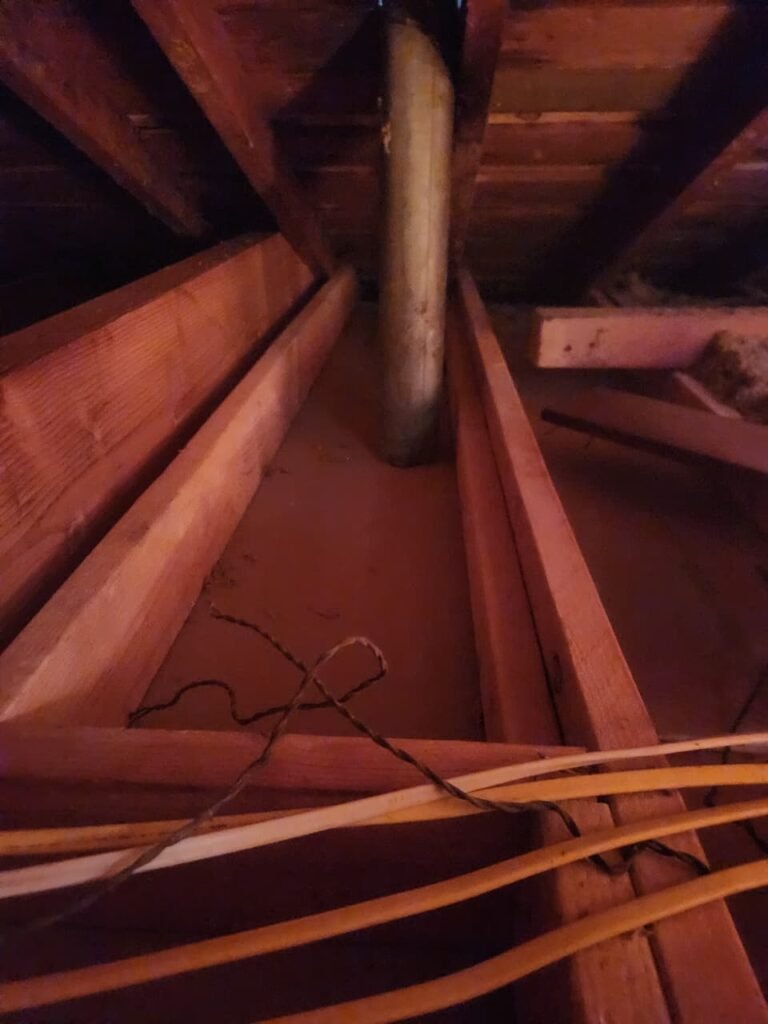
Rats are highly adaptable animals that seek shelter, warmth, and food. Attics provide all three. Once inside, rats build nests using insulation, cardboard, and stored items. They chew on wood, wiring, and ductwork, which can lead to costly repairs and even fire hazards. Because attics are rarely visited, infestations often go unnoticed until odors, noises, or visible damage appear.
The Hidden Dangers of Rat Infestations
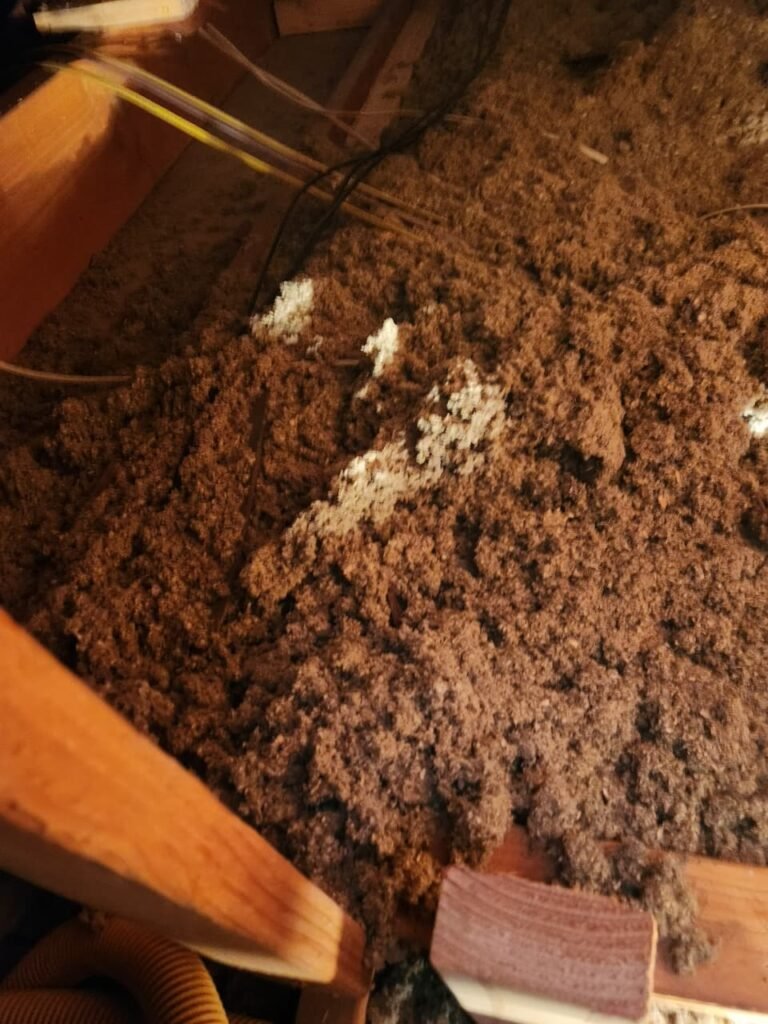
One of the most serious concerns with rats in the attic is contamination. Rats constantly urinate and leave
leave droppings as they move through a space. Over time, these waste materials soak into insulation, wood framing, and surfaces, creating unhealthy conditions that can affect the entire home.
Contaminated attics can impact indoor air quality. As air circulates through heating and cooling systems, particles from rat waste can spread into living spaces. This can trigger allergies, respiratory irritation, and other health issues, especially for children, seniors, and individuals with asthma or weakened immune systems.
Diseases Carried by Rats
Rats are known carriers of several diseases that can affect humans. These illnesses are typically spread through contact with rat droppings, urine, saliva, or nesting materials. One of the most commonly discussed rat-related diseases linked to attic contamination is hantavirus.
What Is Hantavirus?
Hantavirus is a virus associated with rodents, particularly rats and mice. Humans can be exposed when contaminated dust becomes airborne and is inhaled. This can occur in enclosed spaces such as attics, crawl spaces, or garages that have been occupied by rodents.
Symptoms may begin with general flu-like signs, such as fever, fatigue, and muscle aches. In some cases, the illness can become more serious and affect the lungs. While hantavirus infections are considered rare, the potential severity makes proper attic cleanup and contamination control extremely important.
Why Attic Cleanup Is Not Just a Cleaning Job
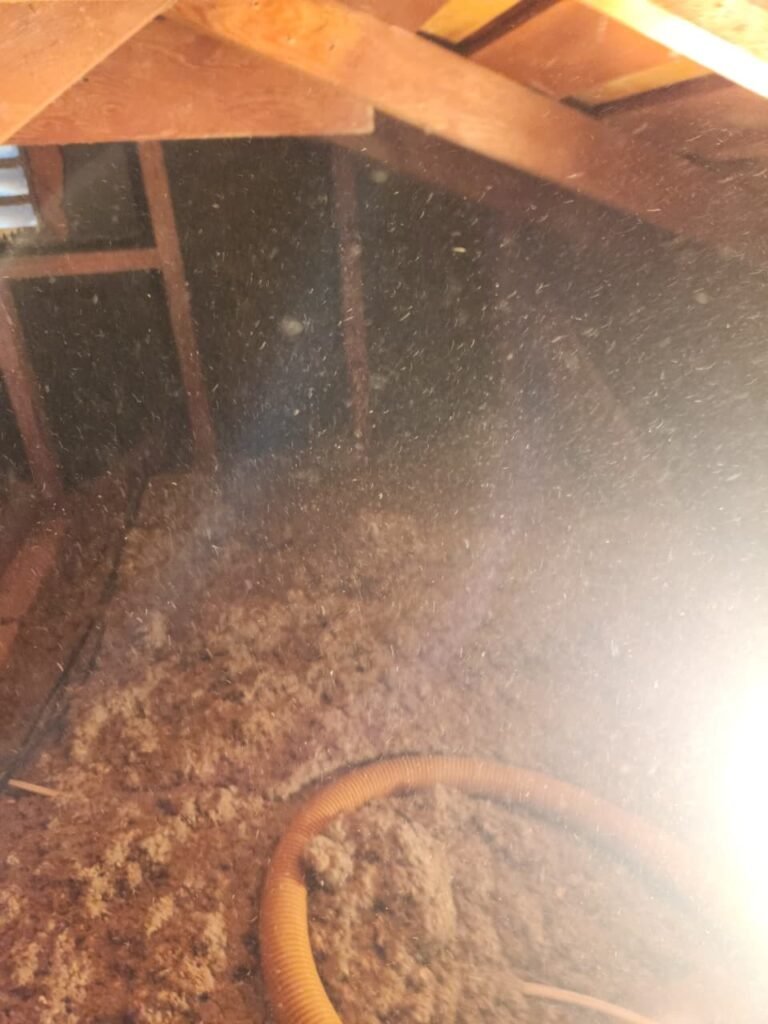
Attic cleanup after a rat infestation is very different from ordinary household cleaning. Rat waste and contaminated insulation are considered biohazards. Disturbing these materials without proper controls can release harmful particles into the air, increasing the risk of exposure.
Simply removing visible droppings does not address the full problem. Odors, bacteria, and microscopic contaminants can remain embedded in insulation and surfaces. Without thorough cleanup, disinfection, and material replacement, health risks can continue even after rats are gone.
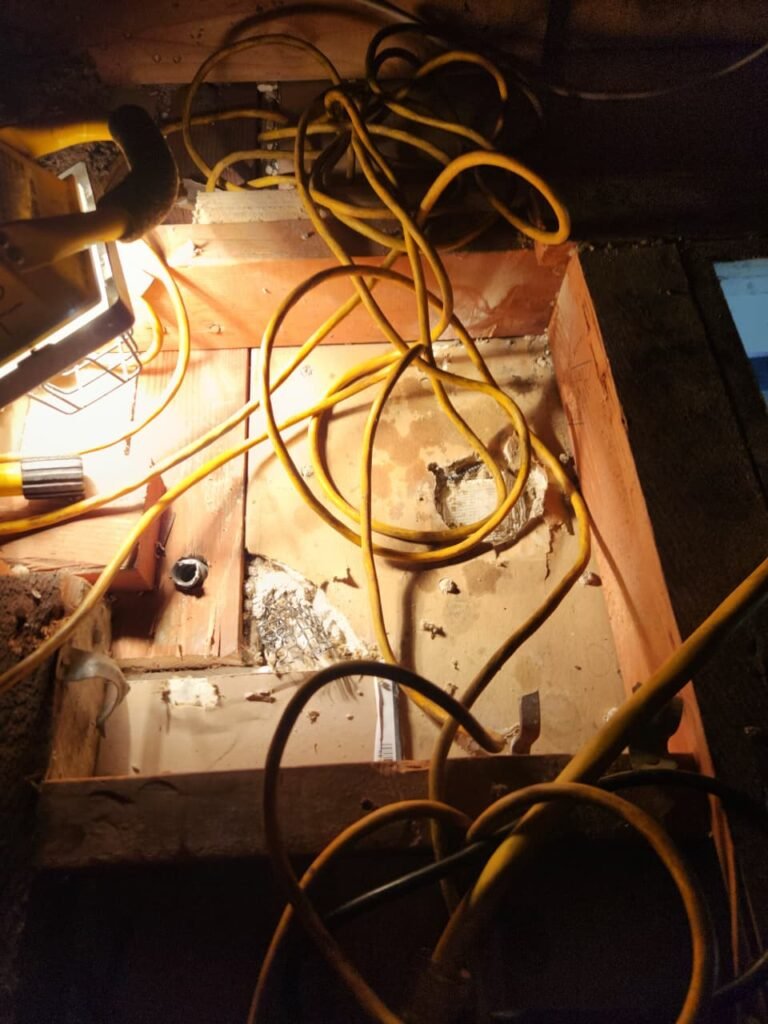
What Professional Attic Cleanup Involves
Professional attic cleanup services are designed to safely and effectively restore contaminated spaces. These services typically include:
- Assessment of contamination levels to determine how much insulation and material is affected
- Removal of contaminated insulation and debris using controlled methods
- Sanitizing and deodorizing affected areas to reduce bacteria and lingering odors
- Replacing insulation to restore energy efficiency and comfort
- Identifying entry points to help prevent future infestations
Professionals are trained to manage biohazards safely and follow industry standards that protect both occupants and workers.
Health and Structural Benefits of Proper Cleanup
A thorough attic cleanup provides benefits beyond disease prevention. Removing contaminated insulation improves indoor air quality and reduces persistent odors caused by rat urine. Fresh insulation can also improve temperature regulation and lower energy costs.
Structurally, cleanup allows damaged wood, wiring, or ductwork to be identified and repaired. Addressing these issues early helps prevent larger, more expensive problems down the road.
Preventing Future Rat Infestations
After cleanup, prevention is key. Rats can squeeze through surprisingly small openings, so sealing gaps around vents, rooflines, and utility penetrations is essential. Keeping food sources secured and reducing clutter around the home also makes the property less attractive to rodents.
Regular inspections of attics and exterior areas can help catch early signs of activity before an infestation becomes severe. Prevention combined with proper cleanup provides long-term protection for the home and its occupants.
Why Professional Help Matters
Because of the health risks involved, attic cleanup related to rats and hantavirus is not a task that should be handled casually. Professional services reduce exposure risks and ensure that contamination is fully addressed rather than temporarily masked.
Attempting to clean a heavily contaminated attic without proper training can make conditions worse by spreading contaminated dust into the air. Relying on experts helps ensure the job is done thoroughly, safely, and correctly the first time.
A Safer, Healthier Home
Rats in the attic are more than a structural issue—they are a serious health concern. Diseases like hantavirus highlight the importance of proper attic cleanup and contamination control. By addressing infestations promptly, investing in professional cleanup, and focusing on prevention, homeowners can protect their indoor air quality, safeguard their families, and restore peace of mind.
Attic cleanup is not just about removing rodents; it is about creating a clean, safe environment where hidden dangers no longer threaten the health of the home.